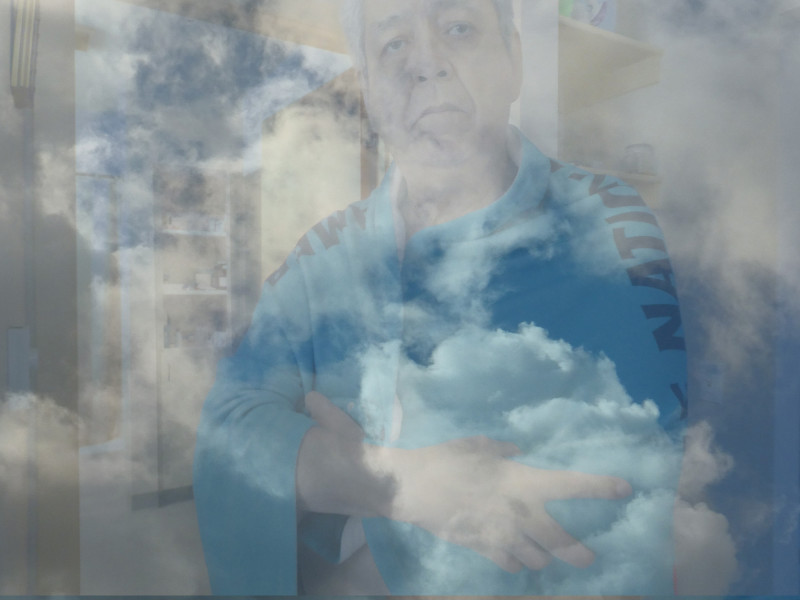
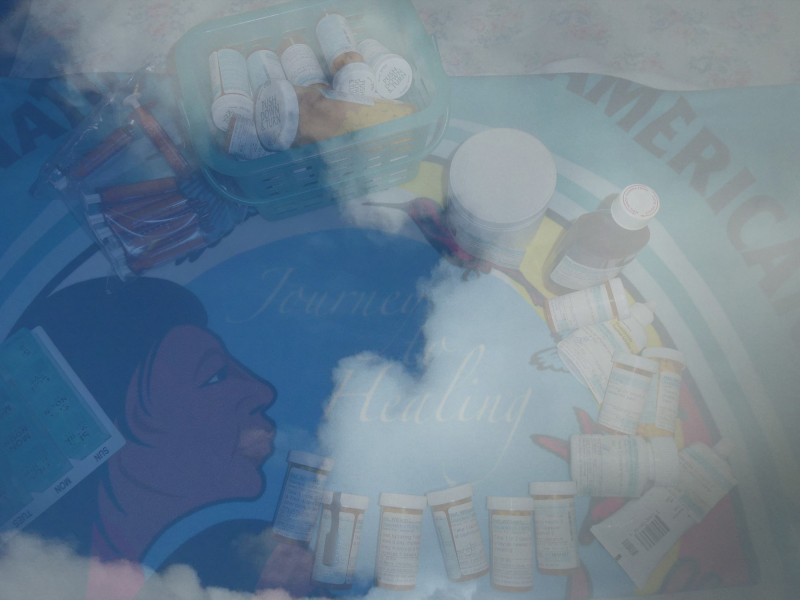
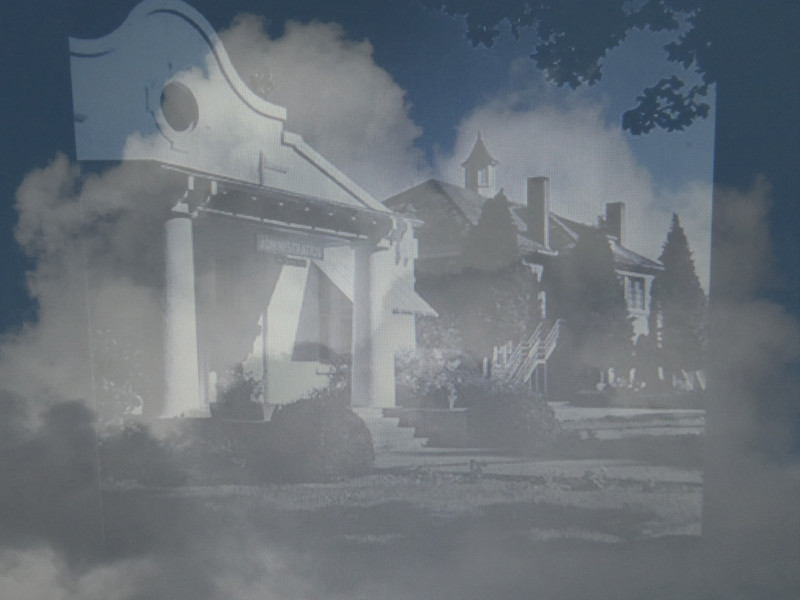
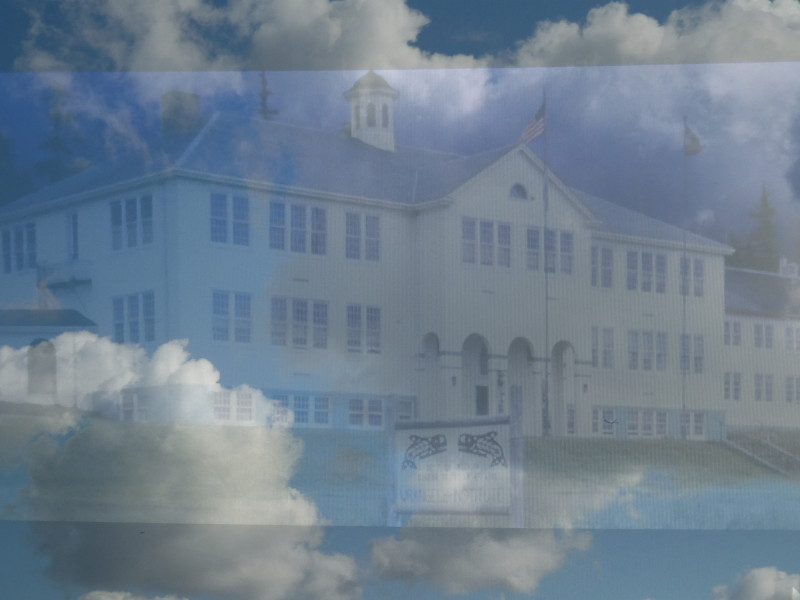
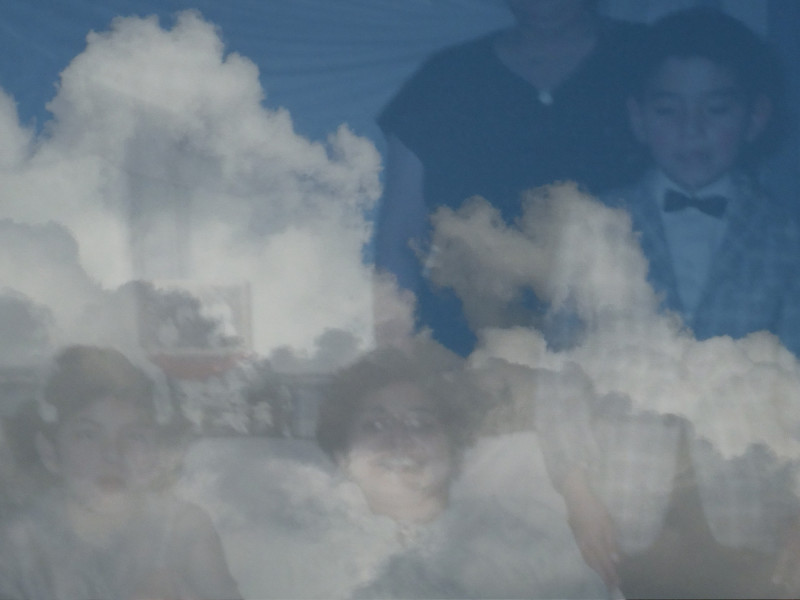
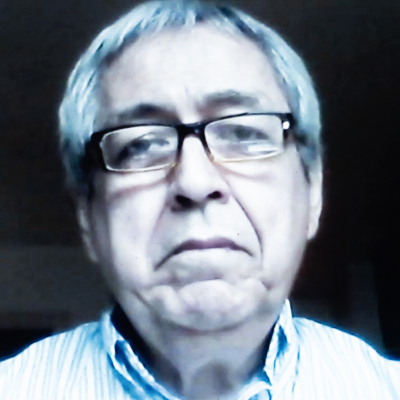
The story of my life, sadly, is not a unique one in Native American culture. This story can be told in a thousand different ways, each story representing an individual who suffered the same upbringing I did as a child, expressing deep emotional and mental scars, and insurmountable pain. The trauma that we suffered was our being taken away from our families when we were young and placed in government boarding schools. I was nine years old when my sister and I were taken, and what made this such a traumatic experience for me was that I had never been away from my family before, so fear and loneliness consumed me.
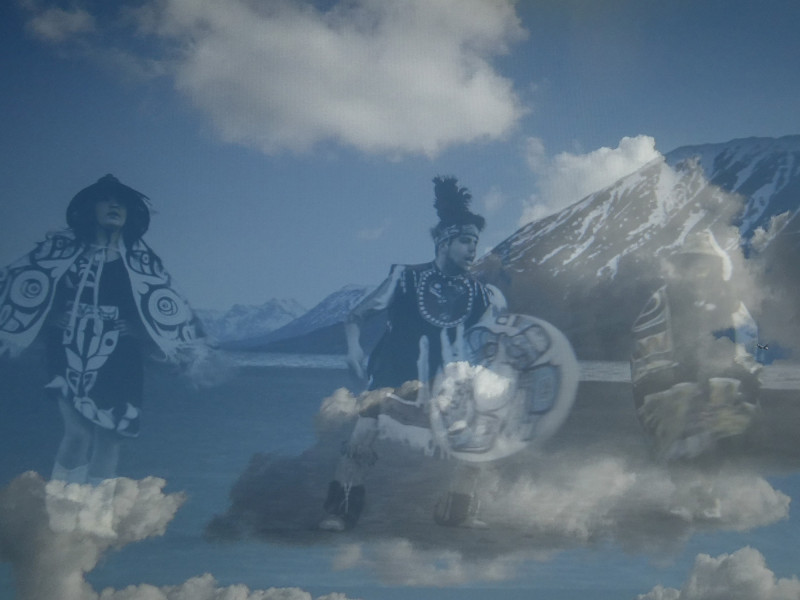
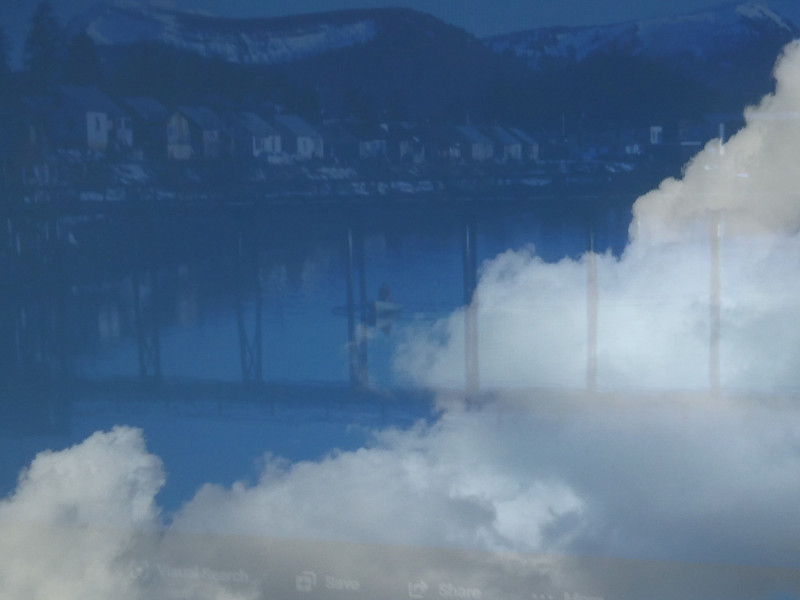
I come from a small fishing village in Alaska called Hoonah. It is a sleepy little village, nestled at the base of a mountain, surrounded by the vast beauty that is Alaska. It was a place where everybody knew each other, and, we genuinely cared and watched out for each other, a rare trait these days. There was no telephone or TV, so, to fill the time, after dinner was done, and the dinner dishes were washed and put away, everyone sat around the living room, with their cups of coffee, and told stories. This was my favorite time of the day. Natives love to laugh, and we are natural storytellers. I hated it when I was told that it was time for bed.
When we arrived at boarding school, anything that we brought considered to be Native was confiscated. All boys were given a haircut and told this was how our hair was to be kept at all times. We were not allowed to grow our hair long, as this was considered a Native trait. Once we were checked in, the rules were given to us, which included our never being able to speak our Native language at any time. We were to only speak English. If we broke these rules, we were placed on two weeks restriction and assigned extra chores. Later, at dinner time, we were taken in groups of seven, and a lady taught us how to enter the dining room properly, and how to properly use knives and forks, telling us that we were never allowed to eat like the little savages that we were.
But the true nightmare that was boarding school was the sexual abuse of the younger boys by the older boys after lights went out. The first time one of the older boys crawled into bed with me, I thought I was dreaming. It wasn’t until my pajama bottoms were shoved down and the older boy entered me that I realized that this was not a dream. The pain I felt was unlike any pain I’ve ever experienced before, and I fought as hard as I could to get out from under him, but the older boy was just too strong for me. When he was finished, he choked me, almost to the point of blacking out, and sternly whispered in my ear that if I told any staff about this, he would kill me. Those same boys—who crawled into bed with us at night—bullied us during the day. They beat us and made fun of us in front of other students. I got used to the sex, and I got used to the beatings. What really hurt me were the words and the names that I was called during the bullying. This went on until I was twelve years old, when I became too old for the older boys. What this ongoing trauma did to those of us who suffered this experience, was that it killed our spirit, and, as an adult, I could no longer stand to be touched in a sexual manner. At age sixty-seven, that is still the case, and because of this, I have lived my life alone, which led to a lifetime of intense loneliness and several suicide attempts.
The rules that we were to abide by were designed to turn us into acceptable little white boys, and to take the Native out of us, and these rules were staunchly enforced. What this taught me was that being Native was something to be ashamed of, and after years of instilling those rules in us, it worked. I took on those feelings of shame, and I no longer identified myself as Native. In later years, with the loss of my identity, I didn’t know where I belonged. I wasn’t white, but I no longer felt that I was Native either. I spent my life wondering where my place in the world was. On the brighter side, my heart knew that I was Native. Every time I heard drumming, my heart would turn towards it.
Needless to say, my life became a vicious cycle of depression, failure, and loss. How could anyone who didn’t know who they were ever succeed? It wasn’t until I became HIV-positive in 1986 did my life begin to change, which literally took a lifetime of therapy to get where I am today.
My journey to becoming an advocate for the Native American community on HIV, I have come to believe, was by design. I started by volunteering for various AIDS organizations, which led to my joining community advisory boards, exposing me to a vast education on AIDS research, and how services for people living with AIDS came into being. Through my involvement with these groups, I came to realize that the reason Native Americans were the most underserved community with regard to HIV, was that no one was speaking up. This bothered me, so when defeatHIV, a group I was involved with, asked me to approach the Seattle Indian Health Board to let us come and do a presentation on Cure Research for HIV, I saw just how strong stigma on HIV was in Native Country. Native communities believed that HIV was “the gay disease,” and our communities never even acknowledged that we existed.
It took three years, and the hiring of a new Executive Director, who was very pro-AIDS, for us to get our break. It was during the planning of our first event that God began to tug at my heart to step up and take on the role of advocate. No matter what excuses I came up with, the tugging never stopped.
I had heard about these three Native women who contracted HIV. They were so ashamed and frightened that if anyone found out, they would be disowned not only by their community, but from their families as well, that they never sought treatment. Because of this, they died. When I heard about the first one, I thought, “That’s sad.” Later, when I heard about the second, it gave me pause. When I heard about the third, it stunned me. I sat for a long period of time thinking about the fears and anxieties that these women lived through. Having lived through them myself, I knew how paralyzing those fears could be. It was these women that I was thinking about as we were finalizing the agenda for our event, and just as we were about to wrap up the meeting, I anxiously thought, “This is it. It’s now or never.” I blurted out, “I want to do the welcome,” and with that, I stepped into the light.