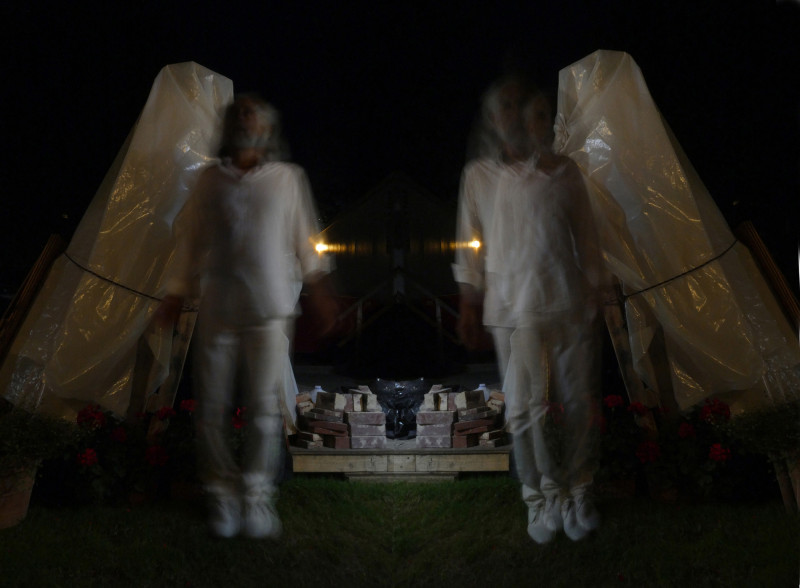
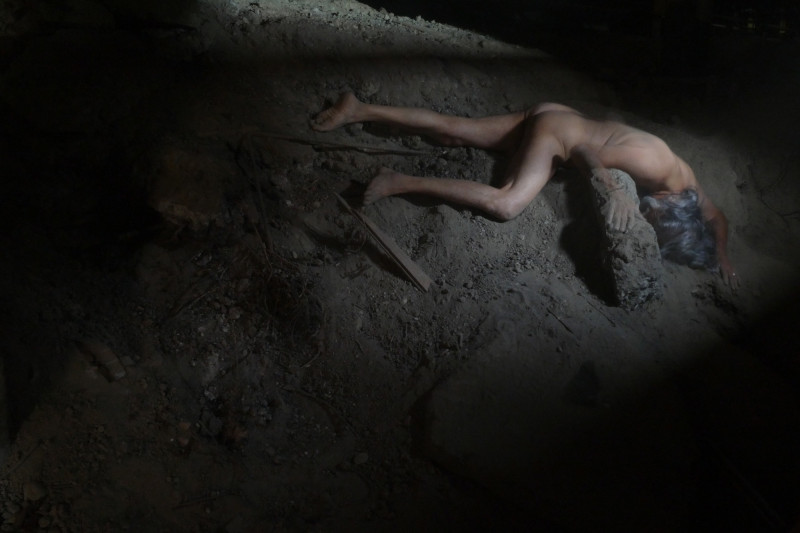
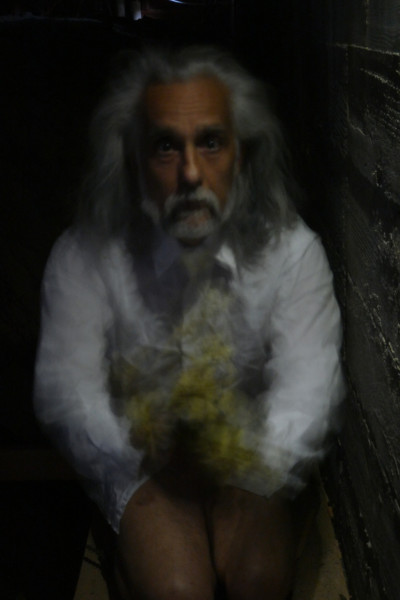
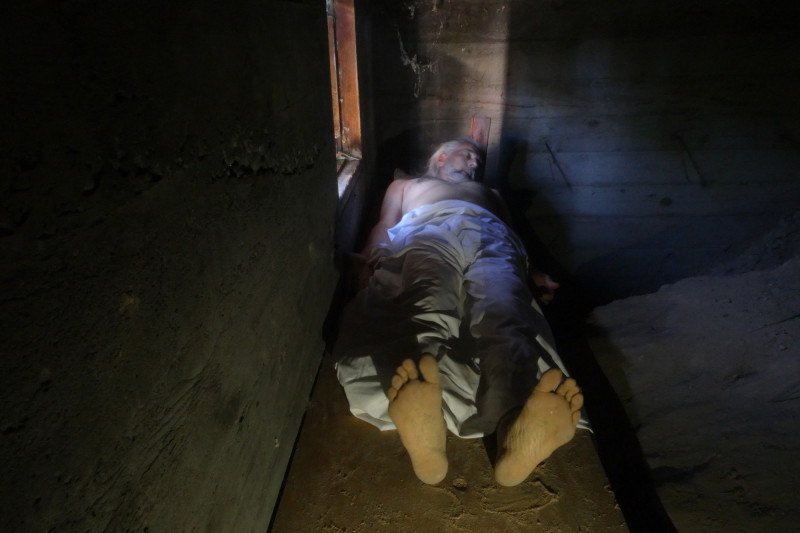
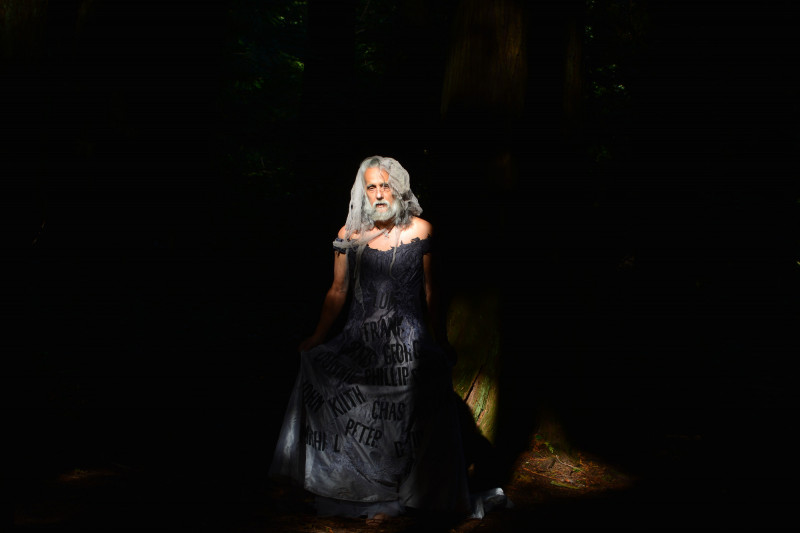
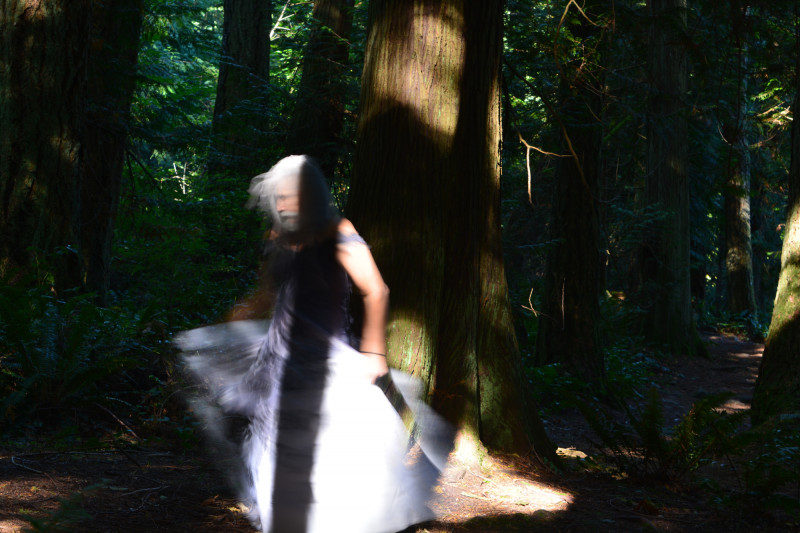
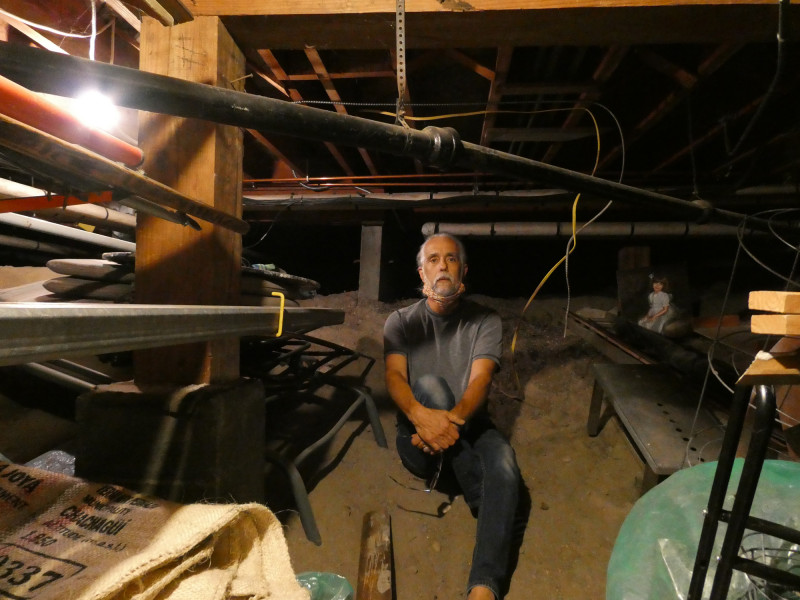
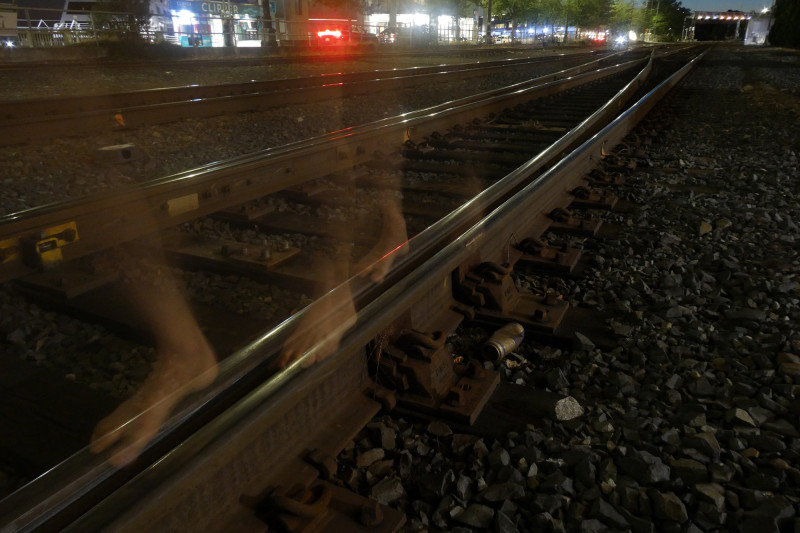
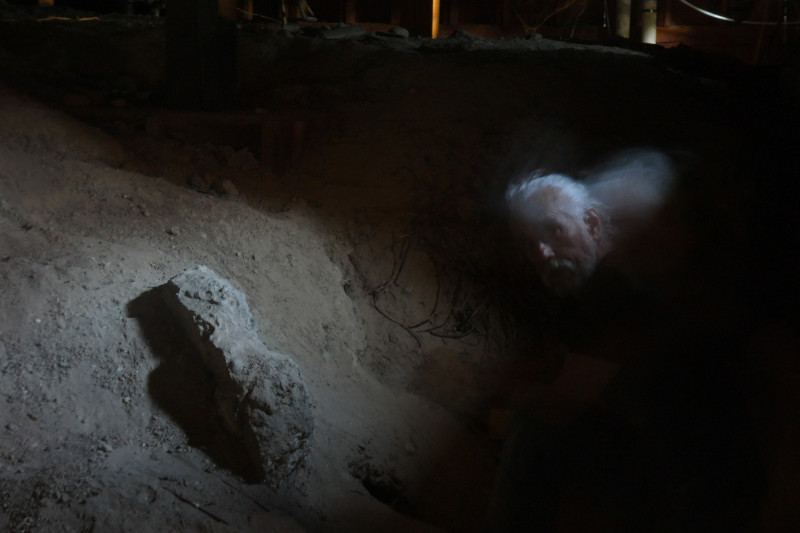
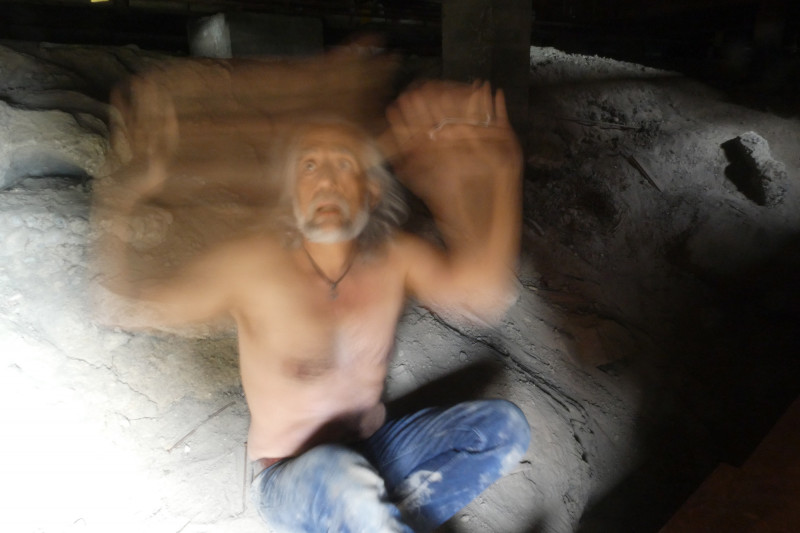
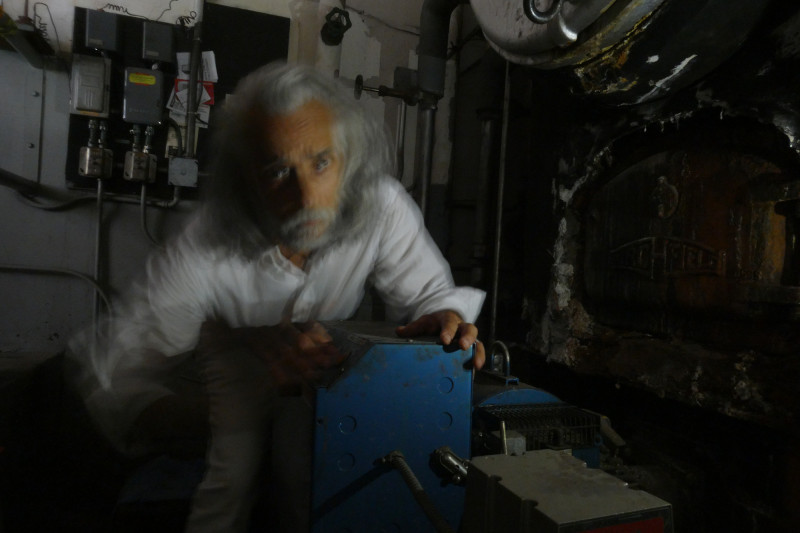
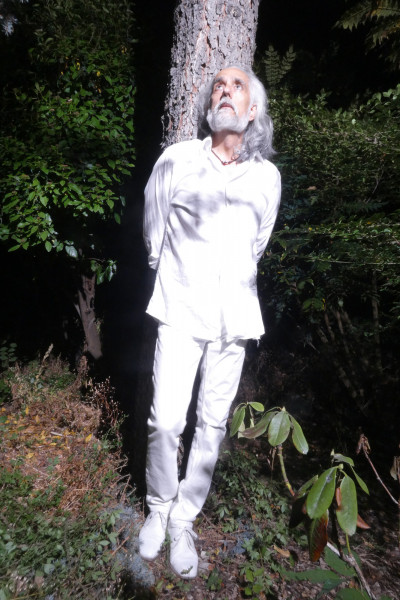
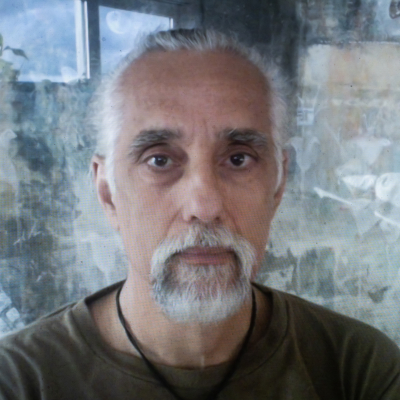
I'm a ghost you can see.*
Lately I've been thinking a lot about stigma and what it means to live under its shadow. Stigma for a boy is not acting like one. Stigma for a citizen is wanting to abandon one's homeland, for an immigrant is not speaking the language, for an artist is not thinking rationally, for a queer individual is not adhering to society's gender roles, for a senior it’s not acting your age. Thinking about death is stigmatized, so is feeling envy, rage, believing or not believing in god—the list goes on and on.
In order to soothe the pain of living with all these stigmas, I see now that I engaged in a whole set of self-destructive behaviors, which, in my understanding, is how I contracted HIV.
I had started out simply and beautifully enough.
Willi and I are standing in a fog bank under the enormous towers of the George Washington Bridge, I turn to Willi and kiss him passionately, … spasms in my groin wake me to a wet bed, and to a clarity about my sexuality, which I had kept at bay.
How does Peter and I, stealing playful kisses in the empty foyers of Third Ave. tenements turn ten years later into me gripping the bar of a crowded New York sex club where the walls are painted black, and naked red light bulbs give everything an unforgettable eerie glow. No clothes or fragrances was the door policy at the Mine Shaft, on the second floor of a dilapidated industrial building in the meat-packing district. Yes, THE MEAT PACKING DISTRICT.
Oscar Wilde, James Baldwin, and Christopher Isherwood, with their tragic romances are just quaint storytellers now, but like me, they also found the sordid places where men come and go in the night. There's nothing inherently wrong with being gay or having gay sex or any sex. Sex is good, and no sex is good too—whatever! But we must protect ourselves, and others.
In the mid-1980s, just a few years into the AIDS epidemic, I had an epiphany.
I realized that AIDS wasn’t just affecting old leather queens in the West Village. It was beginning to kill people like me, in my rebellious and unconventional community on the lower East side of Manhattan, people who were making art, running galleries and performing in drag. In 1987, I got sober and tested positive. And I was fortunate to find a doctor who helped me make the right choices.
In 1992, by Curtis’s hospital bed, I feel a membrane outside of the window. It separates and facilitates passage between realms.
Sometime later, I too became truly sick and felt that my life was coming to an end. Outside my window the lofty statues of seers, poets, and kings that adorn the Museum fade away as the motorized gurgling from the aerosol nebulizer, and the breezes from Prospect Park carrying the aroma of lilacs lull me to sleep. I had arranged to have the most beautiful death.
I have been living with HIV now for 33 years. In my art studio, I make work peopled by the ghosts that I see, and the ghosts that I feel inside me.
Today I am living on the grounds once occupied by a mansion that death built, put up by an enterprising young white man who followed others who travelled West, raining destruction on the first people. Upon arriving he set up shop to offer all-inclusive funeral package-deals to his fellow travelers. A new building occupies the Olympian site today, but all of those ghosts are still among us and within us, they live in the rubble of the mansion, which lies broken and scattered on the slope, helping to shore up the foundations of my home, from where I have the most lovely view of the stolen land where I’m living in stolen time.
Why is this part of my stigma story, you ask?
Because queer people are a type of first people that society carries with them to alleviate their self-hate and fears. They hunt us down, murder, and maim, abuse and denigrate, and always deny us from weaving into our tapestry society’s dignified rituals: births, weddings, graduations, and the occasional funeral, but always, always, deny entry into their precious heaven. My fellow ghosts and I push back.
A final image: We meet the panel van on Houston and 1st Avenue. Jon has been brought back to the Lower East Side. We pull out the coffin from the van and hoist it on the shoulders of family, friends, and lovers to parade him up Avenue A one last time. When we reach Tompkins Square, we gently set him down and open the casket to let the dappled light and summer breeze caress his still beautiful face, while his ghost caresses us. I see you Jon, I see you Curtis, I see you Peter, and Phillip, and Keith and David, Chas, Tom, and Donnie…. You’re so beautiful.
- From Gordon Lightfoot, “If You Could Read My Mind.”