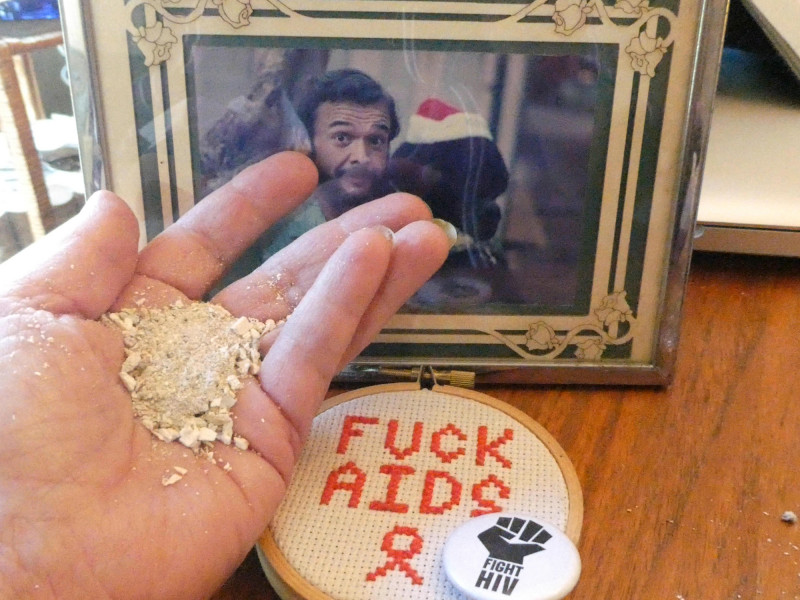
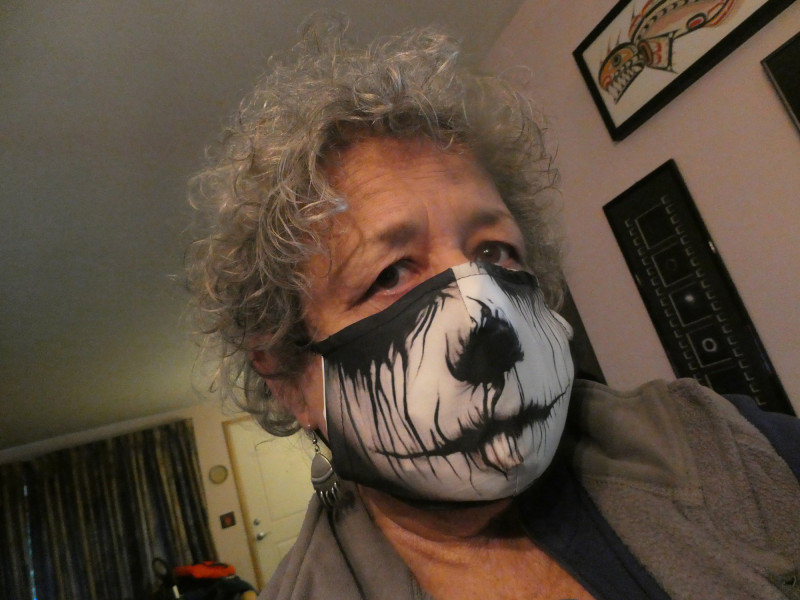

Welcome to the whirling vortex of 2020. Covid 19, the plague of our time has killed over a million people in the world, over 500,000 in the United States. There is no end in sight. Covid 19 has isolated and masked us all. Barriers are the norm. Fashionable masks are seen everywhere. There are Covid denialists, political polarization, police brutality and a sense of fear that seems like it will never end. Reminds me of another plague. MY plague. HIV.
When I first got to Seattle in 1978, the skyline was uncluttered. It was nestled between mountains, the waters of Puget Sound and freedom. I could name all the tall buildings, from the Kingdome to the Space Needle, while traveling on the ferry.
My arrival in Washington followed a long and sometimes harrowing road trip from the east coast. There had been Grizzly bears, bad brakes and camper breakdowns throughout the US and Canada. My partner and later my husband, Bob, and I wanted a new start, away from the life that other people prescribed and expected. Family business, Sunday dinner and kids.
We worked, we played, and we lived the lives of twenty and thirty somethings. We survived the recessions, layoffs and enjoyed the good times together. But then, in 1984, over the course of two weeks, my life exploded and all the pieces came tumbling down in new places. We were both diagnosed with HIV.
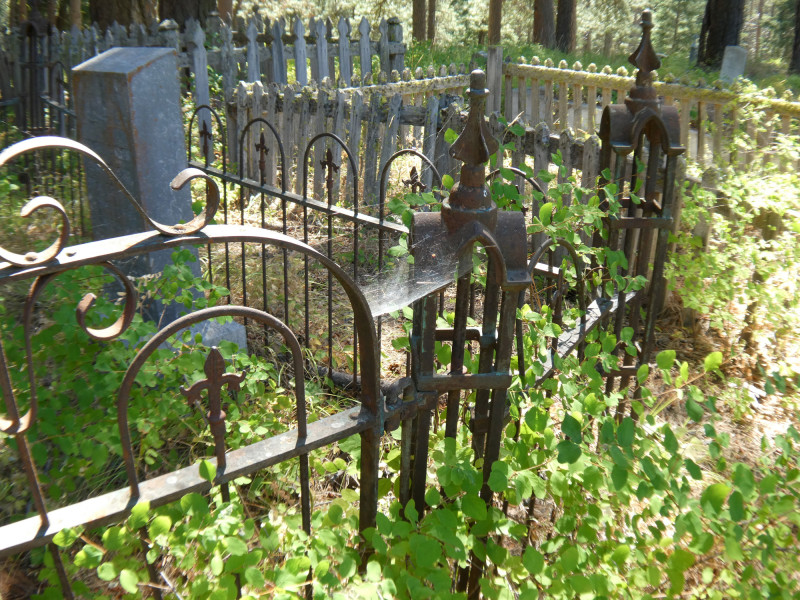
If Covid is the plague of 2020, AIDS was the plague of the 80s and 90s. This was long before there were medications to treat HIV. Many called it a death sentence. Misinformation, fear, homophobia, racism, sexism and stigma were heaped on anyone who was HIV-positive and those who were suspected to be HIV-positive. People felt that they needed to protect themselves from us. Walls, fences and isolation were all around. Us versus them. Barriers between us and them. Each disclosure of our status was filled with fear and sometimes danger.
In the 80’s the first cases of HIV tended to be gay men. In those early years, it was called Gay Cancer or GRID, Gay-Related Immune Deficiency, implying that HIV only affected gay men. There was no real support for women early in the epidemic. If I wanted support I would have to find it. I found several other HIV-positive women, and we started The BABES Network. We gathered as women facing HIV together. We supported each other through births, deaths and unimaginable pain. Our pain was both physical and emotional. Three of us started the group that became BABES. I am the survivor of the three. BABES helped to save my life.
When I went to college, I studied to be a teacher, not a nurse. I learned a lot about home health care while Bob and friends were sick and dying. I was sleep-deprived for months. Bob wanted to be able to die at home. I was with him at home when he pushed his soul out of his body. He found his peace. It was an honor to witness an act so personal. He was 39 years old. I believe that it is an honor to be with someone when they are born and when they die. I have witnessed and sat at the bedsides of friends and family as they made their transitions. Birth and death, the bookends of our lives.
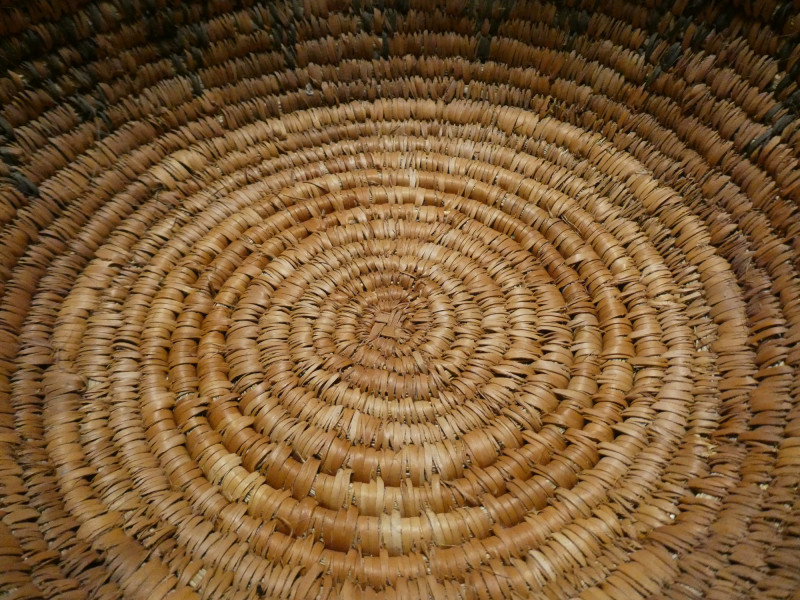
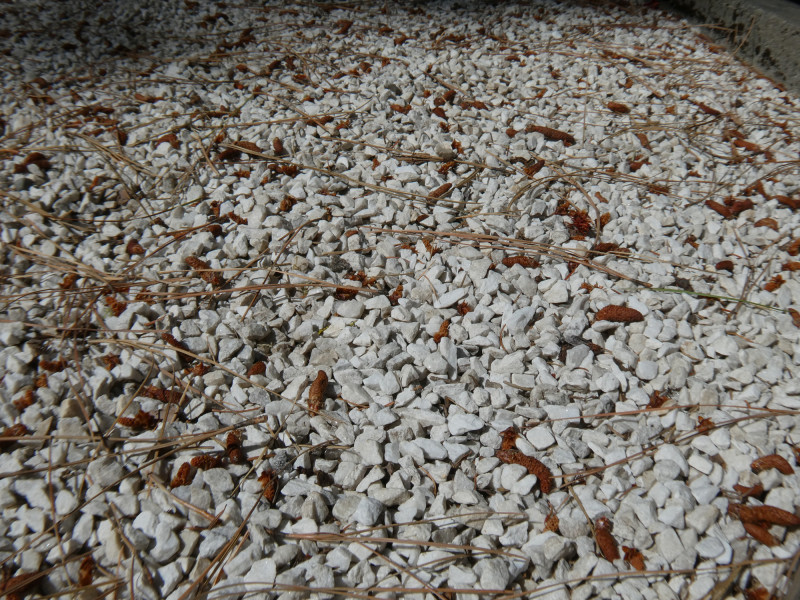
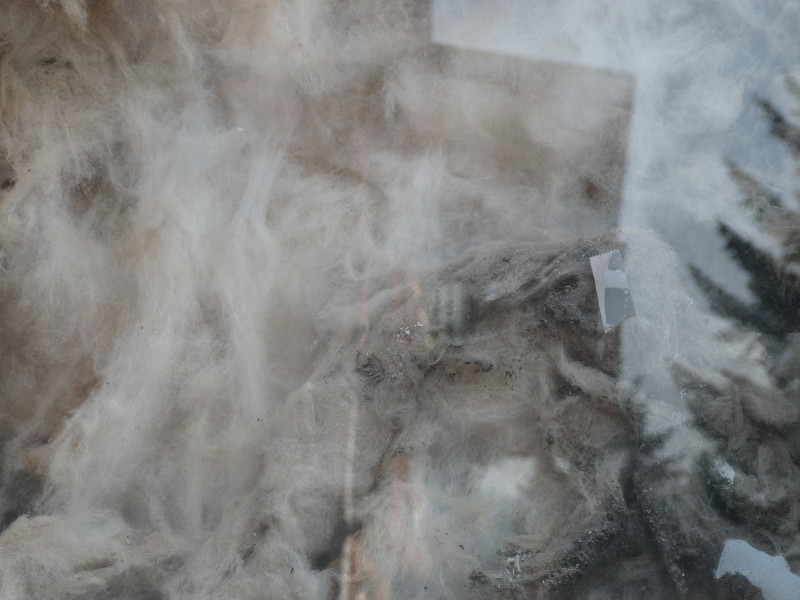
A widow at 36, I took on grief as a full-time job. I was a professional widow, like Jackie and Coretta. My challenge was to try to live a full life. I always felt AIDS nipping at my heels. Grief came in waves. Lots of waves, each one taking away many friends. To me grief has a texture. Fresh grief feels like very rough sandpaper, painful as it wore me down. Sometimes the grit was a finer grade, but that pain continued. I yearned for the day that my grief would be like velvet, soft and sensual. When asked about grief many people say, “It will get better with time.” For me it didn’t get better, but it got different. I have held on to my grit. I understand it now.
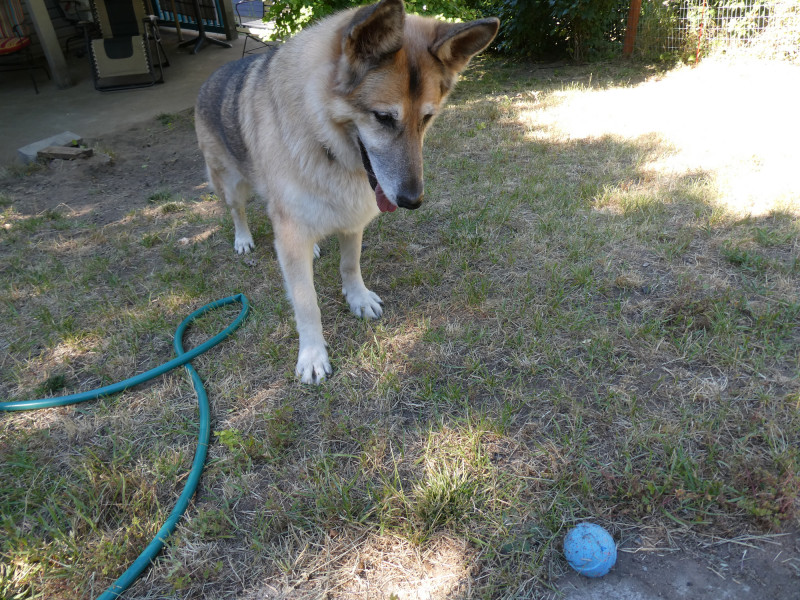
I have taken my grit on bucket list adventures. One of the good things about knowing that my time was limited was taking on adventures I was too scared to do before HIV. I decided to go places that Bob and I had never been together. I needed to make new places and memories of my own. Healing in New Mexico, river rafting in Costa Rica, learning to scuba dive in Belize, seeing glaciers calving in Alaska, drinking Jameson in the pubs of Ireland. My partner Kathleen and I adventure together. We have been together for 25 years, proving that there are second and third chances at love. Over the years I have had my dogs close to my heart. I love the way they make me feel complete. My dog, a German Shepard named Tornado, has trained me well.
I have taught about HIV/AIDS and told my story in hundreds of classrooms. I give the facts, body fluids, universal precautions, condoms and always abstinence (because I have to). I tow the party line.
I don’t usually talk about the isolation, fear and latex barriers that are part of HIV-positive people's lives. Imagine that you can only interact with your family, friends and lovers with a fence between you, a barrier to protect them. Imagine having to tell a potential lover your most intimate secret, that you have HIV and then be rejected. Stigma continues, perhaps not the rabid hysterical fears of the early days of HIV, but fear, nevertheless.
In these days of Covid 19, I have not been in classrooms. Isolation and fear are back. Grief and grit are back. The textures now are of face masks, protest signs and ventilators. People have to be reminded that Black Lives Matter, gender is fluid and that we live in a democracy.
Welcome to the vortex.